Diagnostic radiation represents an indispensable tool for modern medicine. Physicians see benefits of using computerized tomography (CT) scanning in their daily clinical practice. The growth of CT use in children has been driven primarily by the reduction in the time needed to perform a scan. As a consequence, it is now possible to perform more examinations in a given time, extend the scope of some examinations, as well as introduce some new techniques and examinations. The ease of acquisition of images results sometimes in unnecessary exposure of patients to radiation, particularly in developed countries. Furthermore, organ doses from CT scanning are considerably larger than those from corresponding conventional X-ray. For example, a dose to the stomach from a conventional abdominal x-ray examination is approximately 0.25 mGy, which is at least 50 times smaller than the corresponding stomach dose from an abdominal CT scan (Brenner & Hall, 2007).
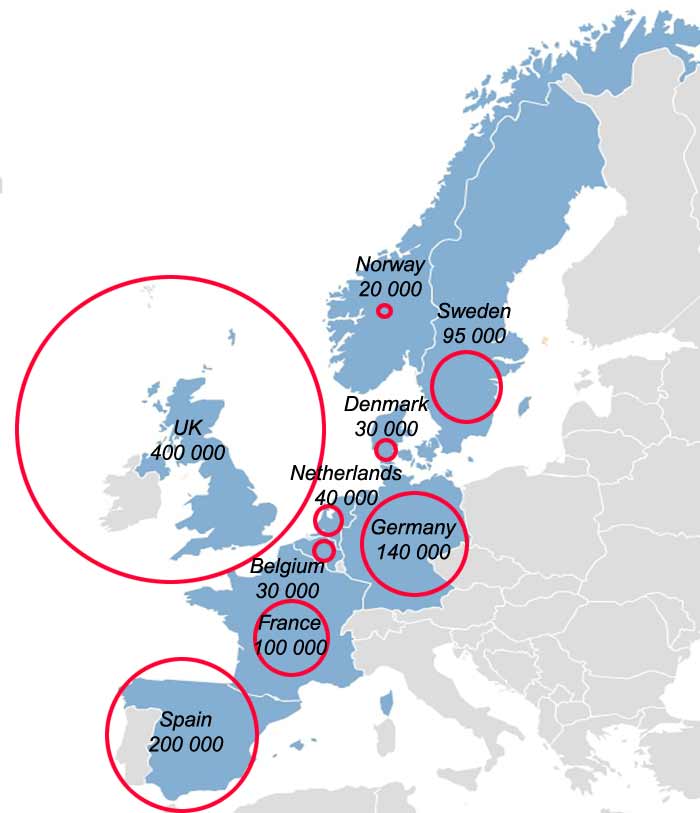
The growing use of CT technology despite the introduction and wider use of other modalities, such as magnetic resonance imaging, raises concerns in radiological protection, especially for children and adolescents. Children are generally more sensitive to the carcinogenic effects of ionizing radiation than adults. In addition, they may receive even higher radiation doses from a CT procedure than an adult. Empirical evidence supporting such concerns comes from recent epidemiological studies in the UK and Australia that have reported statistically significant increased risks of cancer associated with paediatric CT scans. Direct estimation of the health impact of CT radiation remains imprecise, however, and further large-scale epidemiological studies with more accurate dosimetry and assessment of potential biases and uncertainties are needed. The "Epidemiological study to quantify risks for paediatric computerized tomography and to optimise doses" (EPI-CT) was set-up to investigate the relationship between the exposure to ionizing radiation from CT scans in childhood and adolescence and possibly attributable late health effects. Eighteen centres from Belgium, Denmark, Germany, Finland, France, Luxembourg, the Netherlands, Norway, Spain, Sweden and the United Kingdom will cooperate in this project to enrol approximately one million patients. The knowledge gained on current and past CT examination practice will help to propose strategies for further dose reduction.
The EPI-CT study is coordinated by the Section of Environment and Radiation at the International Agency for Research on Cancer (IARC). The study received substantial financial support from the Seventh Framework Program of the European Commission (FP7-Fission-2010-3.2.1).